




Moana (1926)
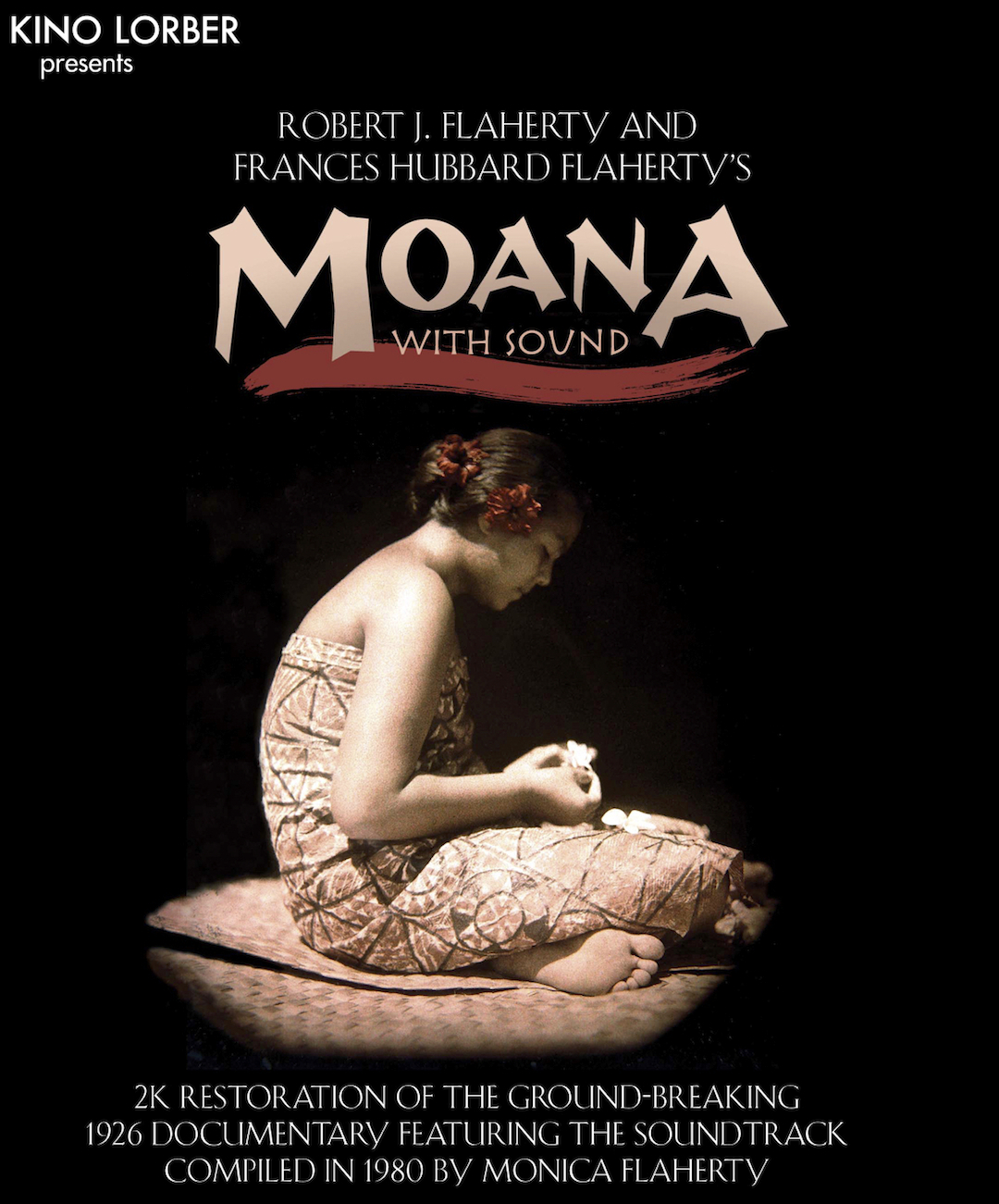
| Theatrical Performance | ||
| Domestic Box Office | $2,993 | Details |
| OpusData ID: 246900100 More info... | ||
| Further financial details... | ||
Synopsis
Set in the village of Safune on Savai'i Island, Western Samoa, during the period May 1923-December 1924, this film records in documentary fashion the fictionalized daily life of the protagonist, Moana.
Metrics
| Domestic Share: | 100.0% (domestic box office/worldwide) |
Movie Details
| Domestic Releases: | January 7th, 1926 (Limited) by Paramount Pictures |
| Video Release: | July 1st, 2025 by Max |
| MPA Rating: | Not Rated |
| Running Time: | 85 minutes |
| Cast, crew, or production detail: | Retro Black and White, Voiceover/Narration |
| Plot point: | Photography |
| Source material: | Docufiction |
| Source: | Based on Real Life Events |
| Genre: | Documentary |
| Production Method: | Live Action |
| Creative Type: | Factual |
| Production/Financing Companies: | Famous Players, Lasky Corporation, Paramount Pictures |
| Production Countries: | United States |
| Languages: | English |
Weekly Box Office Performance
| Date | Rank | Gross | % Change | Theaters | Per Theater | Total Gross | Week |
|---|---|---|---|---|---|---|---|
| Feb 19, 2016 | 102 | $524 | 4 | $131 | $2,993 | 15 |
Documentary Subject
| Ta'avale Uni | Moana |
Supporting
| Fa'agase Sua Filo | Fa’angase | |
| Pe'a Taulealea | Pe’a | |
| Tu'ungaita | Tu’ungaita | |
| Lupenga Tau'ili'ili | Lupenga |
Production and Technical Credits
| Frances Hubbard Flaherty* | Director (1926) | |
| Robert Flaherty | Director (1926) | |
| Monica Flaherty | Director (1980) | |
| Robert Flaherty | Screenwriter (1926) | |
| Frances Hubbard Flaherty* | Screenwriter (1926) | |
| Robert Flaherty | Director of Photography | |
| Robert Flaherty | Producer (1926) | |
| Monica Flaherty | Producer (1980) | |
| Bruce Posner | Producer (2014) | |
| David Flaherty | Director of Photography | |
| Monica Flaherty | Sound Editor | |
| Lee Dichter | Sound Mixer (1980, 2014) | |
| Sami van Ingen | Sound Mixer (2014) |
Cast and crew with above-the-line roles are marked in bold. The line marks the division between above-the-line and below-the-line roles.
Synopsis
Set in the village of Safune on Savai'i Island, Western Samoa, during the period May 1923-December 1924, this film records in documentary fashion the fictionalized daily life of the protagonist, Moana.
Metrics
| Domestic Share: | 100.0% (domestic box office/worldwide) |
Movie Details
| Domestic Releases: | January 7th, 1926 (Limited) by Paramount Pictures |
| Video Release: | July 1st, 2025 by Max |
| MPA Rating: | Not Rated |
| Running Time: | 85 minutes |
| Cast, crew, or production detail: | Retro Black and White, Voiceover/Narration |
| Plot point: | Photography |
| Source material: | Docufiction |
| Source: | Based on Real Life Events |
| Genre: | Documentary |
| Production Method: | Live Action |
| Creative Type: | Factual |
| Production/Financing Companies: | Famous Players, Lasky Corporation, Paramount Pictures |
| Production Countries: | United States |
| Languages: | English |
Weekly Box Office Performance
| Date | Rank | Gross | % Change | Theaters | Per Theater | Total Gross | Week |
|---|---|---|---|---|---|---|---|
| Feb 19, 2016 | 102 | $524 | 4 | $131 | $2,993 | 15 |
Documentary Subject
| Ta'avale Uni | Moana |
Supporting
| Fa'agase Sua Filo | Fa’angase | |
| Pe'a Taulealea | Pe’a | |
| Tu'ungaita | Tu’ungaita | |
| Lupenga Tau'ili'ili | Lupenga |
Production and Technical Credits
| Frances Hubbard Flaherty* | Director (1926) | |
| Robert Flaherty | Director (1926) | |
| Monica Flaherty | Director (1980) | |
| Robert Flaherty | Screenwriter (1926) | |
| Frances Hubbard Flaherty* | Screenwriter (1926) | |
| Robert Flaherty | Director of Photography | |
| Robert Flaherty | Producer (1926) | |
| Monica Flaherty | Producer (1980) | |
| Bruce Posner | Producer (2014) | |
| David Flaherty | Director of Photography | |
| Monica Flaherty | Sound Editor | |
| Lee Dichter | Sound Mixer (1980, 2014) | |
| Sami van Ingen | Sound Mixer (2014) |
Cast and crew with above-the-line roles are marked in bold. The line marks the division between above-the-line and below-the-line roles.